Fleming College is moving forward with plans to expand its healthcare programs, backed by a $500,000 donation from an anonymous supporter.
The college’s Board of Governors has endorsed the concept for a new Medical Imaging Technology program, which would join two other planned programs focused on training medical laboratory assistants and technologists.
Fleming is targeting a Fall 2028 launch for all three programs, subject to the necessary approvals.
The expansion is being developed in response to growing healthcare staffing pressures, including needs identified by Peterborough Regional Health Centre.
PRHC says demand for diagnostic imaging has nearly doubled over the past decade, creating a greater need for professionals trained in areas such as ultrasound, X-ray and MRI.
“Having enough skilled professionals to meet that demand is critical to ensuring physicians have timely access to the diagnostic information they need to make clinical decisions,” said PRHC Interim President and CEO Noel Bennett.
The hospital has also identified challenges recruiting and retaining laboratory professionals, warning that shortages can contribute to longer turnaround times and delays in diagnosis and treatment.
Fleming’s planning identifies more than 31,000 projected job openings for medical laboratory technologists and assistants across Canada between 2024 and 2033.
Interim College President Dr. Theresa Knott says expanding healthcare education will help address workforce gaps while creating new opportunities for students.
“Healthcare providers across our region are telling us clearly where the workforce gaps are, and Fleming has an important role to play in helping address them,” said Knott.
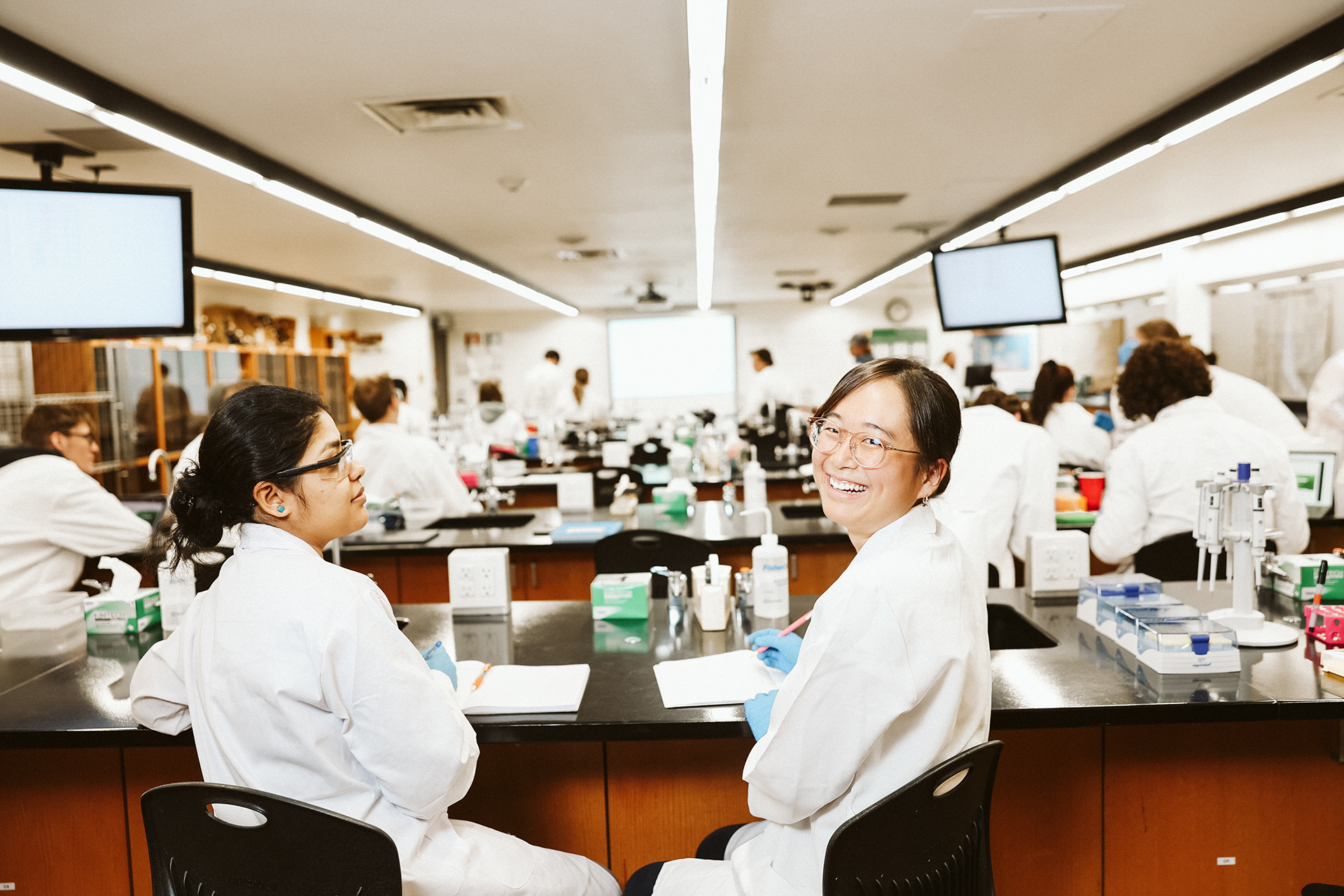
The anonymous $500,000 donation will help fund specialized equipment, simulation facilities, laboratory infrastructure and flexible learning technology.
Proposed investments include a Biosafety Level 2 laboratory and learning environments designed to improve access for mature and remote students.
Fleming says more than 12,000 healthcare professionals have graduated from the college over the past decade, with healthcare programs currently accounting for more than one-quarter of its full-time student population.
The college says additional partnerships and investments will be needed as it continues developing the proposed programs.