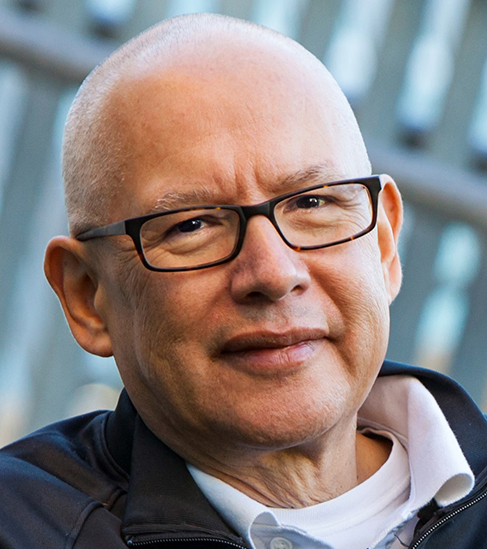
As the National Day for Truth and Reconciliation dawns anew, the founding director of Trent’s Charlie Wenjack School for Indigenous Studies says while much progress has been made, trying to change government practices and create better living conditions remains “a large undertaking” that remains a work in progress.
Dr. David Newhouse says there was “an understanding and expectation that change would be much quicker” in coming, but with less than 20 percent of 2015’s 94 Calls for Action having been implemented, that hasn’t been the case. That said, Dr. Newhouse remains hopeful for a few reasons, the National Day of Truth and Reconciliation being one.
Dr. Newhouse notes Canada “started down the path” of reconciliation in 1969 with pushback to the White Paper, which called for the abolition of the Indian Act. He says while Truth and Reconciliation provided new energy to that work, young Indigenous people proud of their culture have played a huge role.
Asked how the conversation and reflection that Truth and Reconciliation Day fosters can be sustained beyond September 30th, Dr. Newhouse says he tries “to do a bit every day” by inserting Indigenous perspectives and knowledge “into all sorts of conversation on a daily basis.”
Dr. Newhouse adds the approach moving forward should be focused on keeping the conversation going at as many different tables as possible, noting “that’s the way in which one fosters social change.”
To listen to the complete interview, click below:
(Written by: Paul Rellinger)