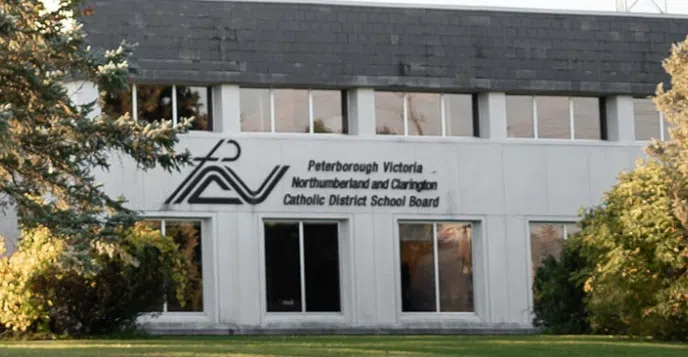
Unions representing more than 1,700 education workers across two local school boards are calling on the Ontario government to begin collective bargaining immediately, citing chronic underfunding and worsening staffing shortages.
The Ontario School Board Council of Unions (OSBCU), along with CUPE 997 and CUPE 1453, say conditions within the Trillium Lakelands District School Board and the Peterborough, Victoria, Northumberland and Clarington Catholic District School Board are deteriorating as the current collective agreement approaches expiry at the end of August.
“There can be no ‘business as usual’ while education workers and students bear the brunt of chronic underfunding,” said Joe Tigani, president of OSBCU. “Early bargaining is critical to stabilizing our schools and addressing the staffing crisis before it becomes even more severe.”
The unions are urging Premier Doug Ford’s government and Education Minister Paul Calandra to come to the table prepared to increase staffing levels, strengthen student supports and boost investment in publicly funded education.
School boards have warned CUPE locals that thousands of education workers across Ontario could face layoffs by September 2026 following the expiry of the current agreement. The unions say the potential cuts come at a time when schools are already struggling to meet student needs.
Lianne Barley, president of CUPE 997, which represents workers at Trillium Lakelands, said staffing shortages are forcing difficult decisions inside schools.
“There is a ‘Plan B’ in place so that when staff are absent, they are generally not replaced until the fourth day of absence,” Barley said. “The lack of replacement workers means employees are coming to work sick, workloads are piling up, and violence in the workplace is increasing because schools are simply understaffed.”
Nora Shaughnessy, president of CUPE 1453, representing workers at the Peterborough-area Catholic board, said students are feeling the impact of reduced resources.
“Right now, our schools are extremely underfunded, and it’s our students who are paying the price,” she said. “Many are not getting the supports they need, and our staffing levels simply aren’t enough to meet growing demands.”
Shaughnessy added that shortages of educational assistants have contributed to escalating physical and mental health concerns among staff, with many workers giving up breaks to keep up with student needs.
The unions say Education Minister Calandra has the authority to issue a regulation allowing bargaining to begin up to 180 days before the agreement expires — potentially as early as March.
“Our members are burned out,” Barley said. “Bargaining can’t wait. We need solutions now to protect workers, students, and the integrity of our schools.”
The province has not yet indicated whether it will move to begin early negotiations.