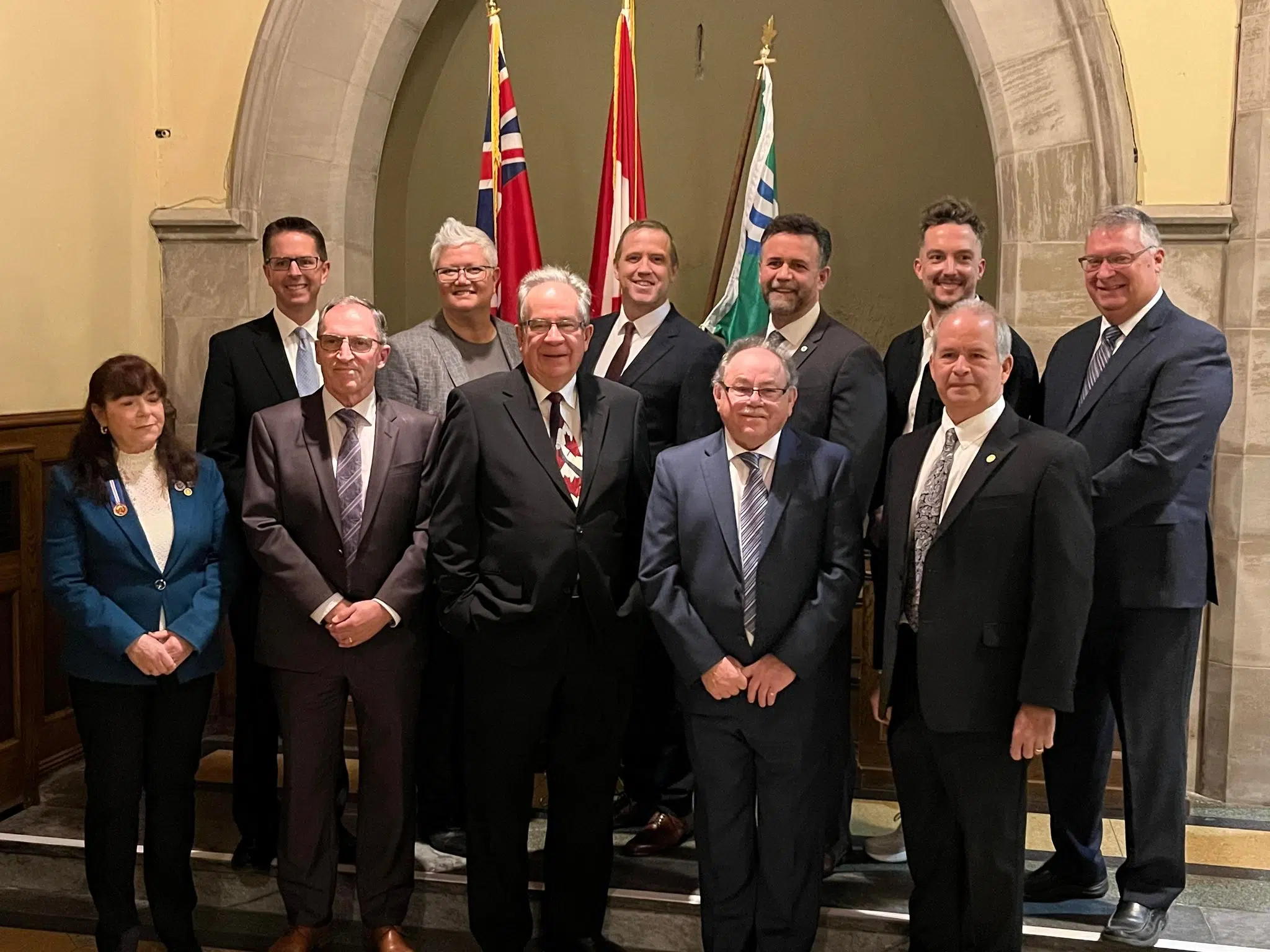
City Council has approved a new Procedure By-law that will govern how Council meetings are conducted, following a review by a multi-member working group and consultation with other municipalities and the Ontario Ombudsman’s Office.
The updated by-law is intended to improve clarity, align with current legislation, and support more efficient and transparent meetings. Council typically reviews and amends its Procedure By-law each term.
The Procedure By-law Working Group — made up of the Mayor, the Chairs of General and Planning Committees, the CAO, the Commissioner of Legislative Services, the City Clerk and Deputy Clerk — met several times to consider changes. Best practices from municipalities including Caledon, Cambridge, Chatham-Kent, Guelph, Pickering, Richmond Hill, St. Catharines, Whitby and Windsor were also reviewed.
Key changes to how Council meetings will operate include:
-
Clarifying the authority and duties of the Chair in maintaining order, decorum and effective meeting conduct.
-
Restricting the use of electronic devices during meetings to support transparency and open-meeting requirements.
-
Aurally recording closed-session meetings, with recordings kept confidential as required by law.
-
Introducing a consent agenda process for closed-session items, allowing Council to approve certain reports in one motion before moving into closed session.
-
Requiring notices of motion to be introduced first at Committee, rather than at regular Council, as part of a two-step approval process.
-
Limiting delegations to four per agenda item at Council meetings, except for statutory public meetings under the Planning Act or other applicable legislation.
-
Limiting Council members to two questions per delegation, with each response capped at 90 seconds. This was increased from one question during General Committee’s review.
-
Requiring staff to outline any implications when a motion is amended or deferred so Council has full information before voting.
-
Allowing a simple majority vote for a Motion to Reconsider if the original decision was made in a previous term or not decided by Council.
-
Requiring a two-thirds vote to reconsider a decision made in the current term of Council.
-
Limiting members to speaking twice on any motion — up to five minutes per turn at General Committee and three minutes at Council.
Council originally considered a cap of 10 delegations per meeting but ultimately confirmed a limit of four delegations per agenda item, with the exception of statutory public meetings, where no cap applies.