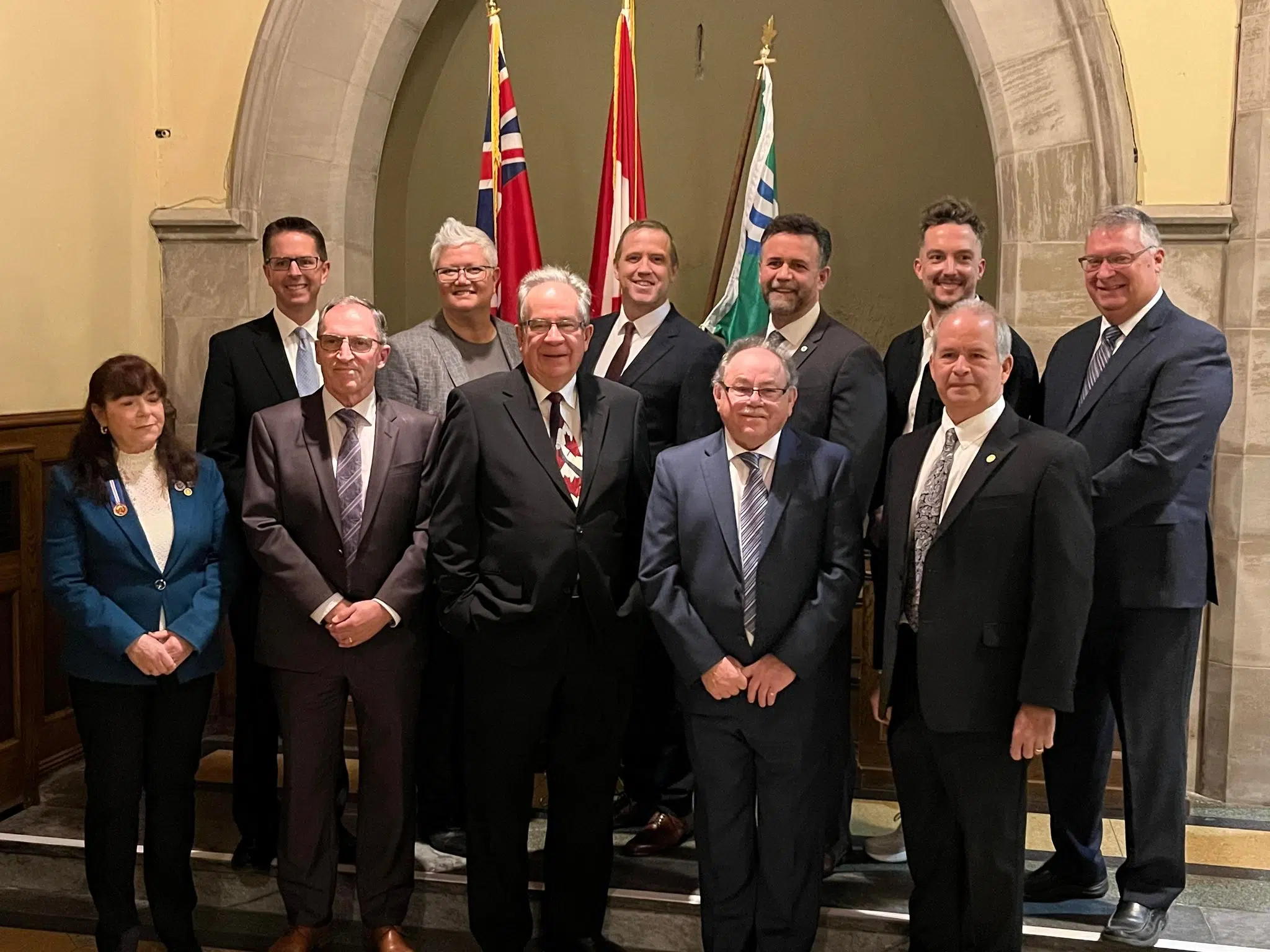
City Council received presentations from residents and community organizations last night as part of Peterborough 2026 budget process.
Thirteen public delegations spoke on a variety of topics, including transit, library services, policing, addictions treatment, arts and culture, downtown development, and ideas for new revenue sources.
Before the public presentations, Council received a budget update from the Peterborough Police Service. The city’s Draft 2026 Budget was first presented on November 3 and is publicly available at peterborough.ca/budget. Council is expected to adopt the budget on Monday, December 8.
The Draft 2026 Budget proposes a 3.42% increase for operating costs, which would maintain current service levels. Infrastructure and capital needs would rise by 2.18%, the sanitary sewer fee by 0.53%, and spending on external agencies funded by the city by 1.79%. Combined with education and other charges, the total rate increase would be about 7.92%, or roughly $34.16 per month for the average residential property.
The budget includes $434.2 million for municipal services and $140.5 million in capital projects. Major projects include renovating and expanding the police station, revitalizing the wastewater treatment plant, road paving, transit bus purchases, extending a taxiway at the regional airport, and water service improvements.
Recent updates to the draft budget include a $665,000 reduction in employee benefits costs, an increase of $269,000 in the Ontario Municipal Partnership Fund grant, and a $1.12 million addition for shelter and daytime drop-in services awarded to One City.
Council will review and discuss the Draft 2026 Budget during meetings on November 17 and 18, which are open to the public and can be watched live at peterborough.ca/WatchCouncil.
The Mayor is expected to present the final 2026 Budget for adoption on December 8. Residents can register to speak as delegations at that meeting through peterborough.ca/delegations or by calling 705-742-7777 ext. 1820.
The city began the 2026 budget process in April with a public survey on priorities, followed by community meetings in June.